
Culture — Food
Eating in the Dominican Republic
Dominican food is hearty, flavorful, and built around a few core ingredients — rice, beans, plantains, and meat. It is not spicy. The flavor comes from seasoning blends, slow cooking, and fresh ingredients, not heat. Rice and beans are so central that the national lunch is simply called "La Bandera" — the flag.
Must-try dishes

La Bandera
White rice, stewed red beans, and braised meat — the everyday national meal eaten at lunch across the country. Hearty, simple, and deeply satisfying.
Where to find it: Any local comedor, family home, or casual restaurant.
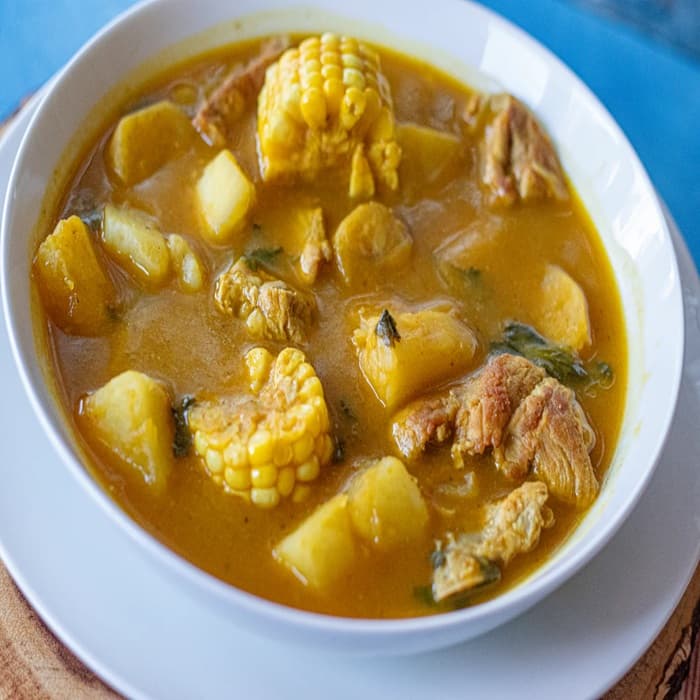
Sancocho
A thick, slow-cooked stew made with multiple meats, root vegetables, and herbs. Reserved for special occasions and family gatherings.
Where to find it: Ordered ahead at local restaurants or served at festive meals.

Mangú
Mashed boiled plantains served with sautéed onions, fried cheese, and salami. The definitive Dominican breakfast.
Where to find it: Breakfast spots, cafeterias, and street food stalls in the morning.
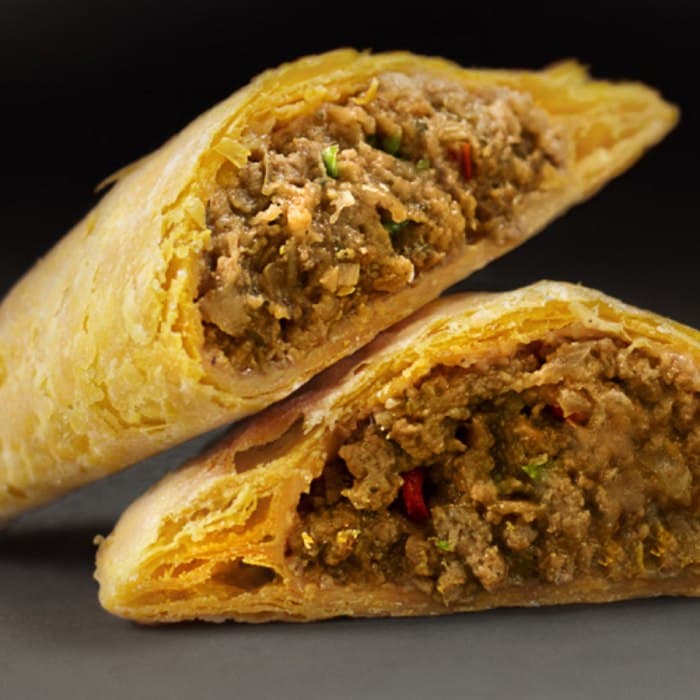
Chimi
The Dominican street burger — seasoned ground meat on a soft bun with shredded cabbage, tomato, and a tangy house sauce. Different from anything you have had before.
Where to find it: Street carts and chimi trucks, especially active at night.

Tostones
Green plantain slices fried, smashed flat, then fried again until golden and crispy. Served with a dipping sauce. An essential side dish.
Where to find it: Everywhere — restaurants, street stalls, home cooking.
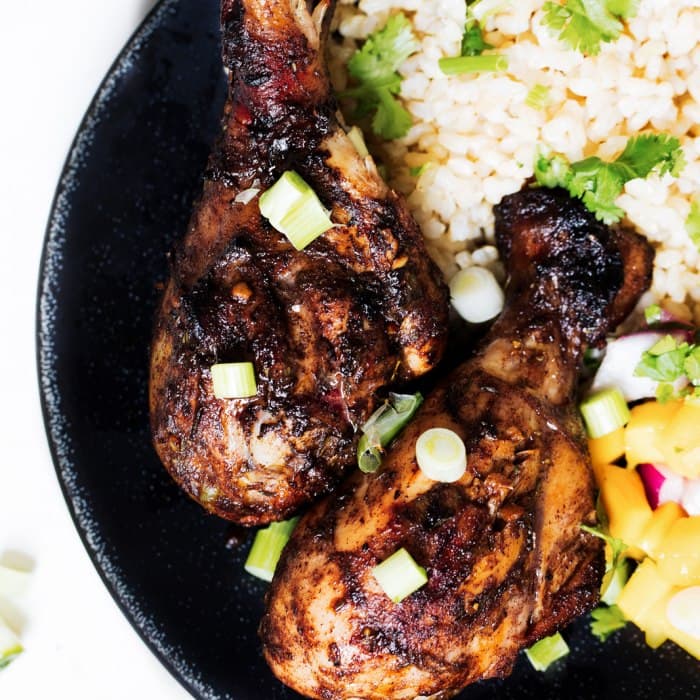
Chicharrón de pollo
Bone-in chicken pieces marinated and fried until the skin is shatteringly crisp. A crowd favorite at family gatherings and casual restaurants.
Where to find it: Local restaurants and fried food stands.
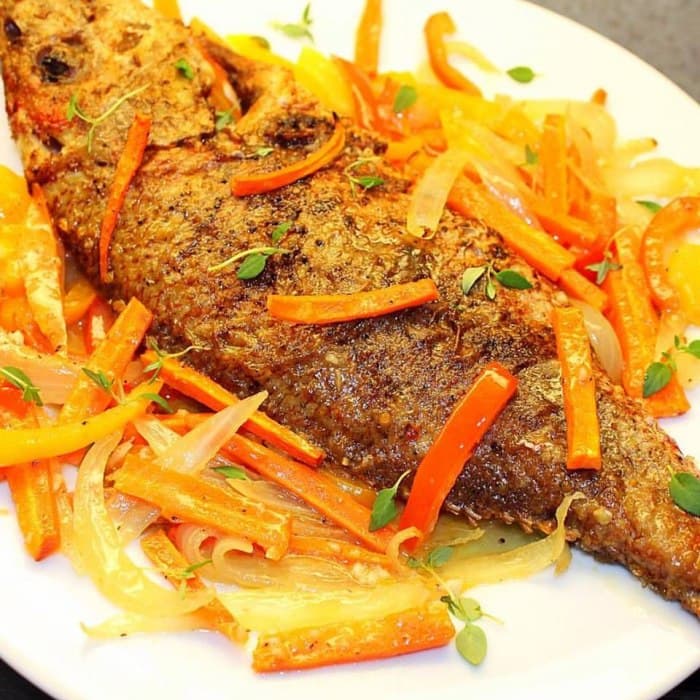
Pescado frito
Whole fresh fish seasoned with garlic, oregano, and lime then deep fried. Best eaten the same day it was caught.
Where to find it: Coastal towns, beachside shacks, and seafood restaurants near the water.
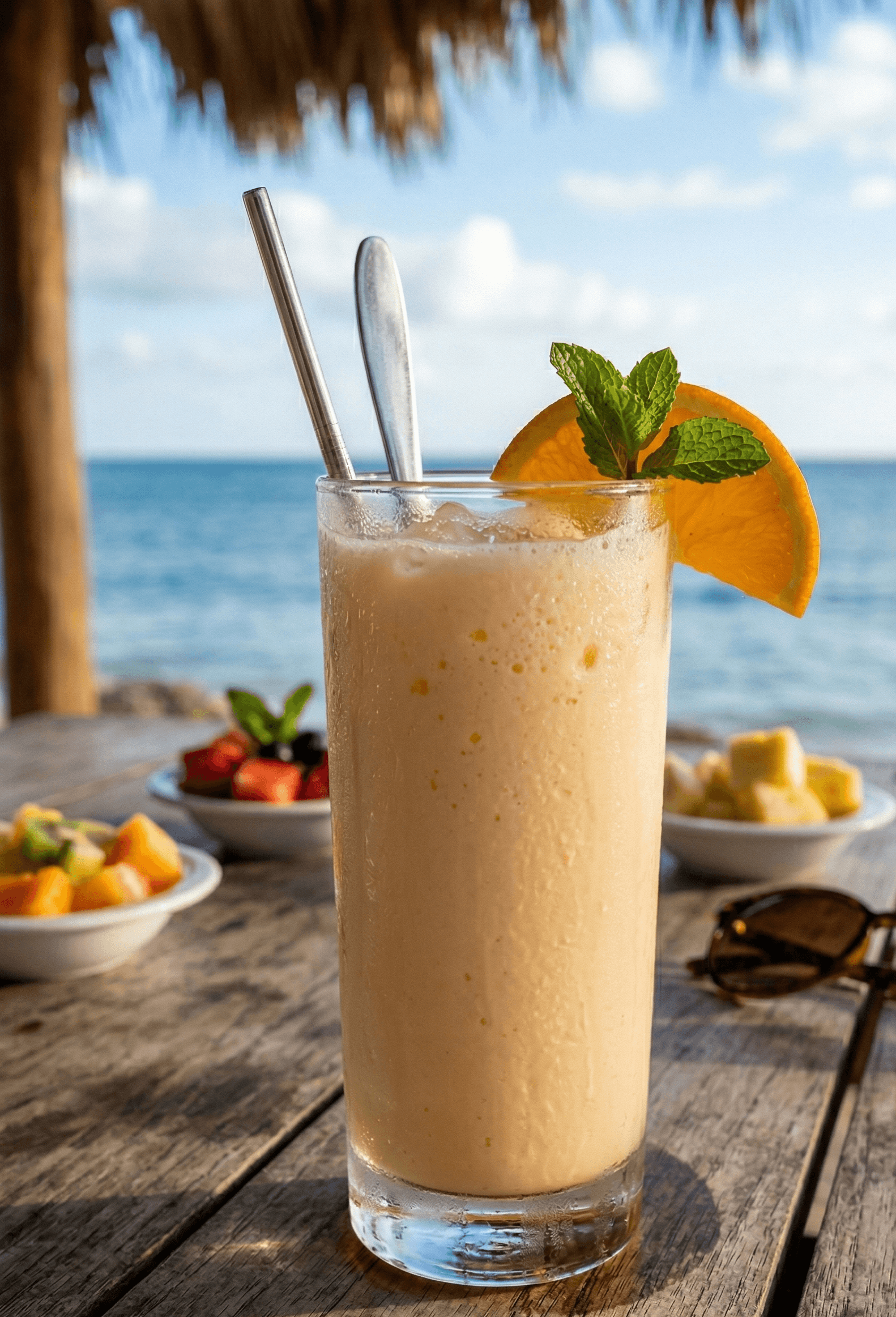
Morir soñando
Fresh orange juice blended with cold milk and sugar into a creamy, citrusy drink. The name translates to "to die dreaming" — and it earns it.
Where to find it: Juice stands, cafeterias, and street vendors throughout the country.
Local tip: comedores vs. tourist menus
A comedor is a simple, no-frills lunch spot — often just a few plastic tables, a chalkboard menu, and a set lunch of La Bandera for around 150–200 pesos. These are where Dominicans eat every day, and the food is often far better than what you will find on a tourist-facing menu.
Tourist menus exist in resorts and beach towns and are fine — but if you want authentic Dominican cooking at real prices, walk a few blocks from the main strip and look for the comedor with the most locals inside.
What to expect — and not expect
Dominican cuisine does not use hot peppers or spicy sauces in traditional cooking. If you are hoping for heat, you will need to ask specifically — and even then it is not always available. The seasoning profile is garlic, oregano, cilantro, and sour orange. Bold, but never burning.
Portions are generous. Meals are communal. Eating alone at a family restaurant will often result in the owner sitting down to chat with you.
Drinks worth trying
Presidente
The national beer — a light, crisp lager. Served ice cold, found everywhere.
Mamajuana
A traditional drink made by steeping tree bark, herbs, and roots in rum, red wine, and honey. Often sold in bottles. Claimed to have medicinal properties.
Fresh fruit juices
Passion fruit, tamarind, guanábana, mango — freshly blended juices are cheap, everywhere, and extraordinary.
Food safety tips for travelers
- Avoid tap water — stick to bottled or filtered water throughout your stay.
- Ice in resorts and established restaurants is generally made from purified water and is safe.
- Street food is widely eaten and generally safe, but choose vendors with high turnover and visible freshness.
- Fresh fish at coastal spots is excellent — if it smells fresh and was just fried, eat it.
- Peel fruit yourself when possible, especially if bought from street vendors.
- Carry antidiarrheal medication as a precaution — a change in diet alone can cause stomach issues.
Food varies significantly by region. Coastal areas are strong on fresh fish; the Cibao valley is known for its meat dishes and pork; Santo Domingo has the widest variety. See the destinations guide for regional food differences.