

Destination Guide
Santo Domingo
The capital of the Dominican Republic and the oldest European city in the Americas. Colonial history, Caribbean energy, and year-round urban life — Santo Domingo rewards travellers who go beyond the resorts.
Why visit
Santo Domingo offers something rare in the Caribbean: genuine urban history you can walk through. The Colonial Zone packs more UNESCO heritage into a few city blocks than most countries have in total. Beyond the history, the city is a working capital with excellent food, active nightlife, and authentic Dominican culture — without the resort bubble.
Best for
- ✓History lovers and UNESCO heritage tourism
- ✓City explorers and urban travellers
- ✓Business travellers
- ✓Long-stay visitors to the DR
What to do
Colonial Zone (Zona Colonial)
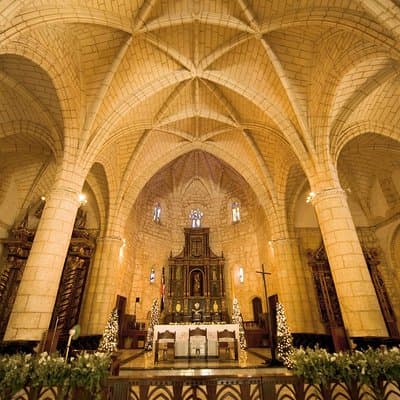
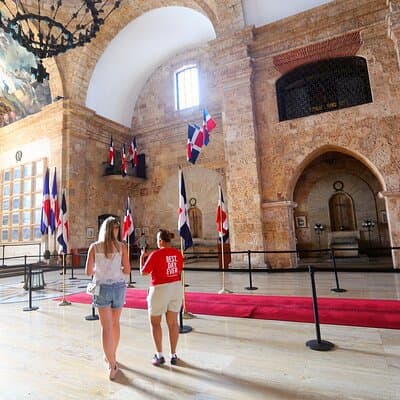
A UNESCO World Heritage Site and the oldest continuously inhabited European city in the Americas. Walk cobblestone streets lined with 16th-century cathedrals, forts, and plazas. The Catedral Primada de América and Alcázar de Colón are the anchors — both free or low cost to enter.
The Malecón
A 12-mile waterfront boulevard stretching along the Caribbean Sea. Best visited in the evening when locals gather, vendors set up, and the breeze picks up. Weekend nights are especially lively.
Museums
The Museo del Hombre Dominicano covers pre-Columbian Taíno history. The Museo de las Casas Reales covers the colonial era. Both are in or near the Colonial Zone and worth a few hours.
Nightlife
Zona Colonial has bars and rooftop spots with a relaxed, local vibe. The Naco and Piantini neighbourhoods have upscale clubs and lounges. Santo Domingo has a serious music scene — merengue, bachata, and reggaeton are all represented.
Tours & Excursions in Santo Domingo
Browse top-rated tours, walking excursions, and day trips in and around Santo Domingo.
Powered by Viator. We may earn a commission at no extra cost to you.
Getting there
Santo Domingo is served by Las Américas International Airport (SDQ), approximately 30 minutes east of the Colonial Zone in light traffic. Uber and InDriver both operate from the airport.
SDQ airport guide →Where to stay
Colonial Zone
Most atmospheric. Boutique hotels in restored colonial buildings. Best for first-time visitors wanting proximity to historic sites. Can be noisy at night.
Piantini / Naco
Business district and upscale residential area. International hotel brands, malls, restaurants, and easy Uber access. Best for business travel or mid-to-long stays.
Gazcue
Mid-range neighbourhood near the Malecón. Quieter than the Colonial Zone but close to it. Guesthouses and smaller hotels at reasonable prices.
Food highlights
Chicharrón de pollo
Crispy fried chicken chunks — the definitive Dominican street food. Order from comedores or dedicated chicharrón spots.
Sancocho
A slow-cooked meat and vegetable stew. Considered the national dish. Richer and more complex than it sounds — best on a Sunday.
Comedores
Local lunch canteens serving a full plate (lunch of the day) for under $5 USD. Rice, beans, protein, salad, and juice. The best value meal in the city.
For a deeper look at Dominican cuisine, see the food culture guide →
Travel tips
- ✓Use Uber — it's reliable, metered, and safer than hailing street taxis. InDriver also works.
- ✓The Colonial Zone is compact and walkable. Most key sites are within a 15-minute walk of each other.
- ✓Midday heat is intense, especially May–October. Plan outdoor sightseeing for before 11am or after 4pm.
- ✓SDQ airport is about 30 minutes east in light traffic — allow extra time during rush hour.
- ✓Tap water is not safe to drink — buy sealed bottles or use filtered water at accommodations.
- ✓Most locals speak Spanish only. Having basic Spanish or a translation app helps outside tourist areas.
Map
Need your e-ticket before you travel?
All travelers need a valid e-ticket QR code.
Get E-ticket Help →Plan your trip
Get your Dominican Republic entry e-ticket sorted — $45 flat fee, handled for you.
Generate a personalized day-by-day itinerary in seconds based on your interests.
Find your ideal destination based on interests, budget & travel style.
Estimate your total trip cost including accommodation, food & activities.